Build with the material that outlasts steel and concrete
We design, engineer, and build glulam bridges and mass timber structures, shop-assembled and load-tested before they ship, engineered to a century-plus design life.
New construction, engineered to last a century-plus
Mass timber is the only major structural material that grows. It stores carbon, goes up faster than concrete or steel, and, built to our standard, outlasts both. We design and engineer glulam bridges and mass timber buildings from the ground up.
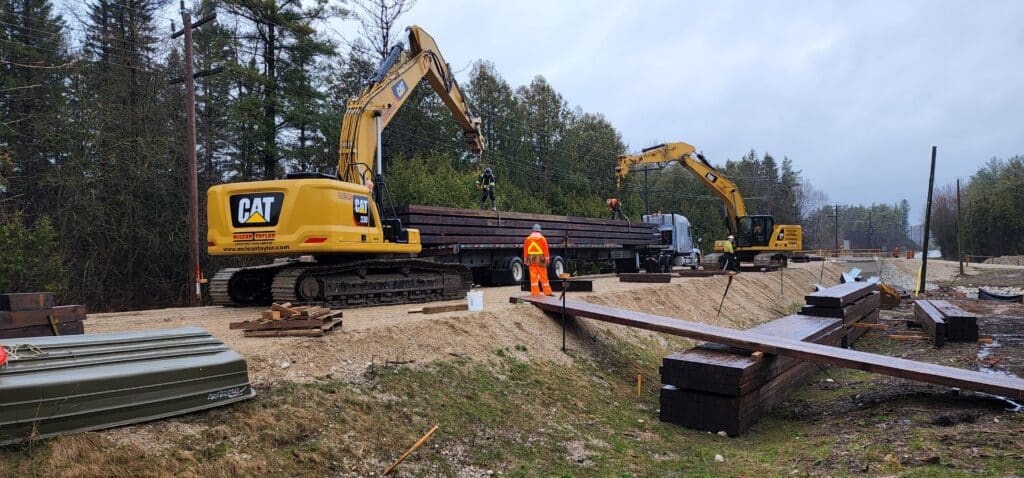
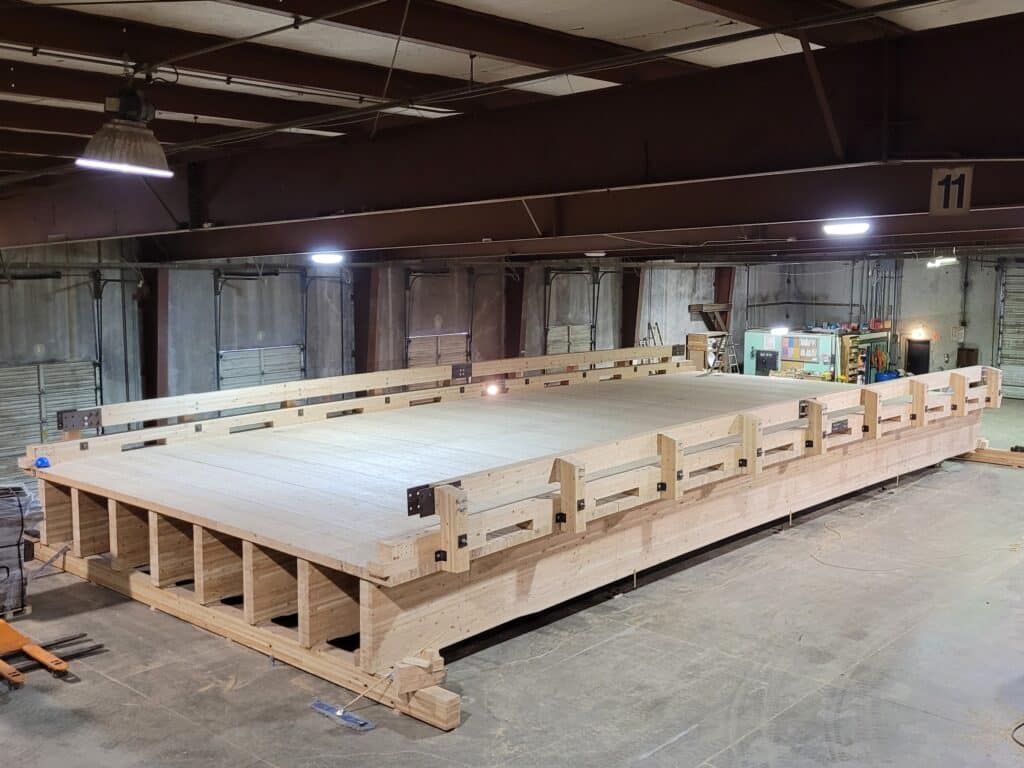
Every structure is fabricated and assembled in our climate-controlled facility, load-tested, then shipped to your site, ISO 9001-documented at every step, with a 100+ year design life specified, not promised.
100+ yr
Documented design life engineered into every new build.
Carbon-storing
A fraction of the embodied emissions of concrete or steel.
What we build
From glulam spans to towers and full structures
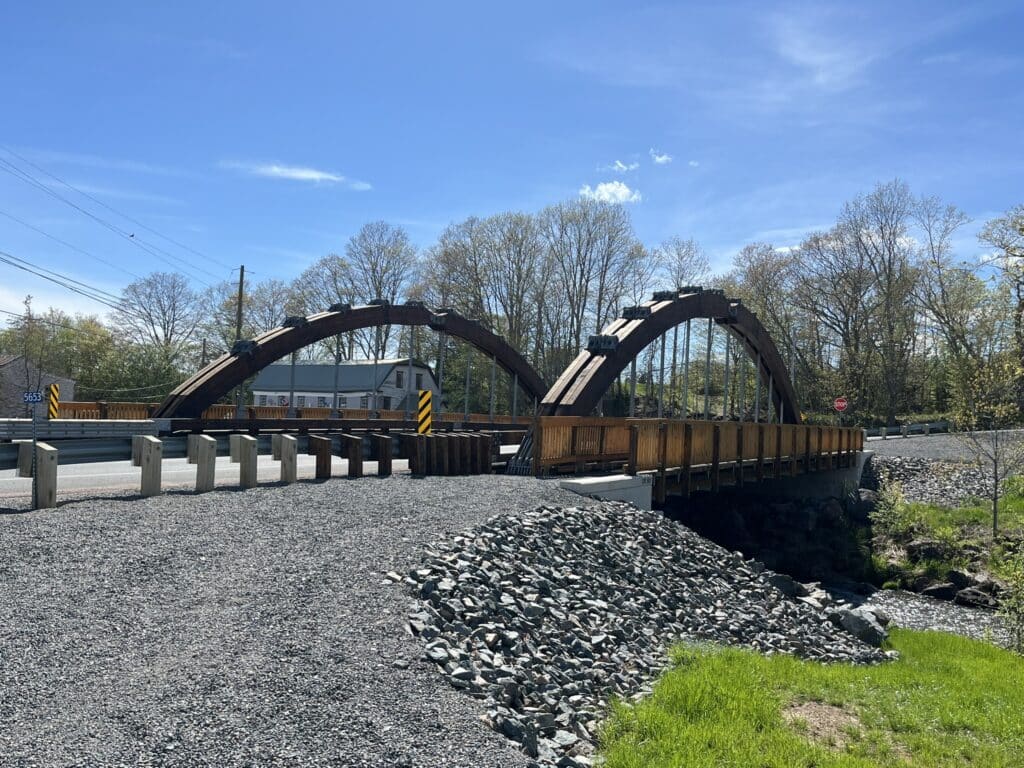
Glulam bridges
Vehicular and pedestrian glulam bridges, clear-span and multi-span, engineered to modern loading standards and built to outlast the steel and concrete alternatives.
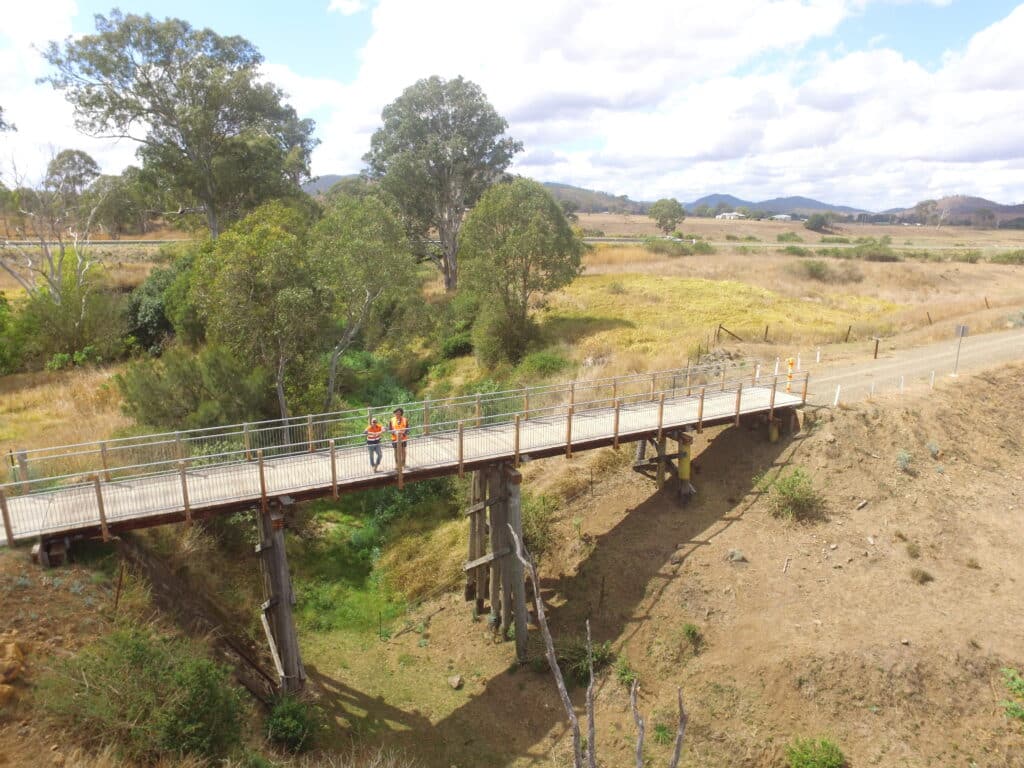
Pedestrian & trail crossings
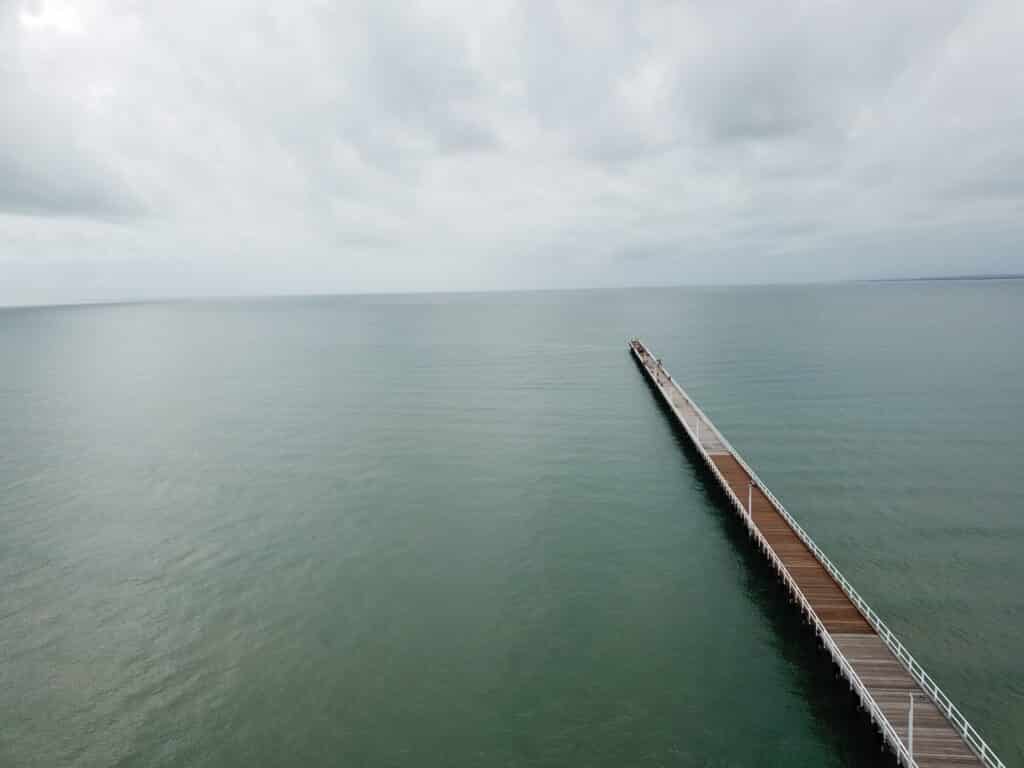
Footbridges, boardwalks, and rail-trail crossings, light, low-disruption timber spans for parks, reserves, and shared-use paths.
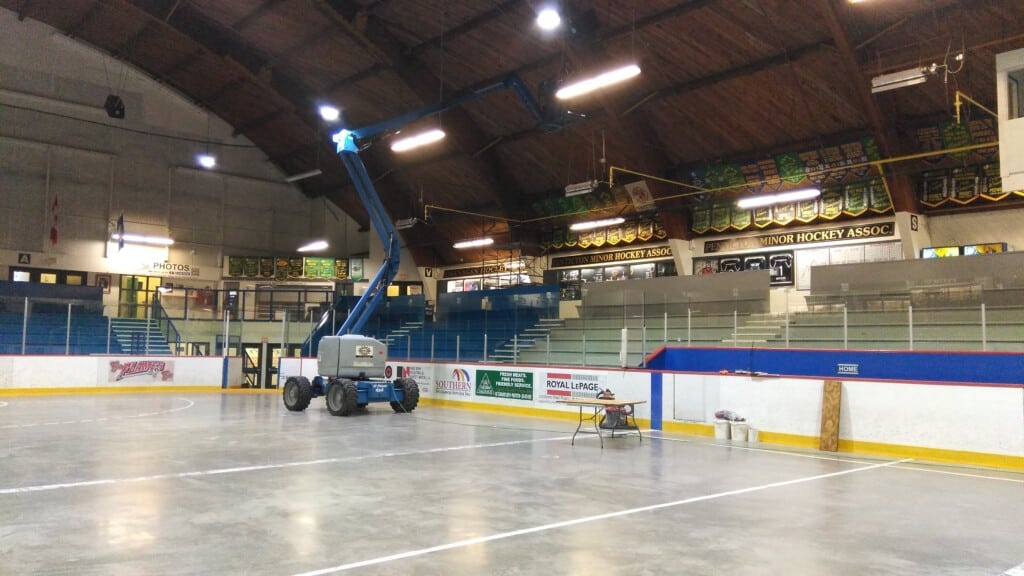
Mass timber buildings
Arena roofs, halls, airport hangars, and commercial and institutional buildings in glulam and engineered timber, warm, exposed structure that performs as well as it looks.
Towers & specialty structures
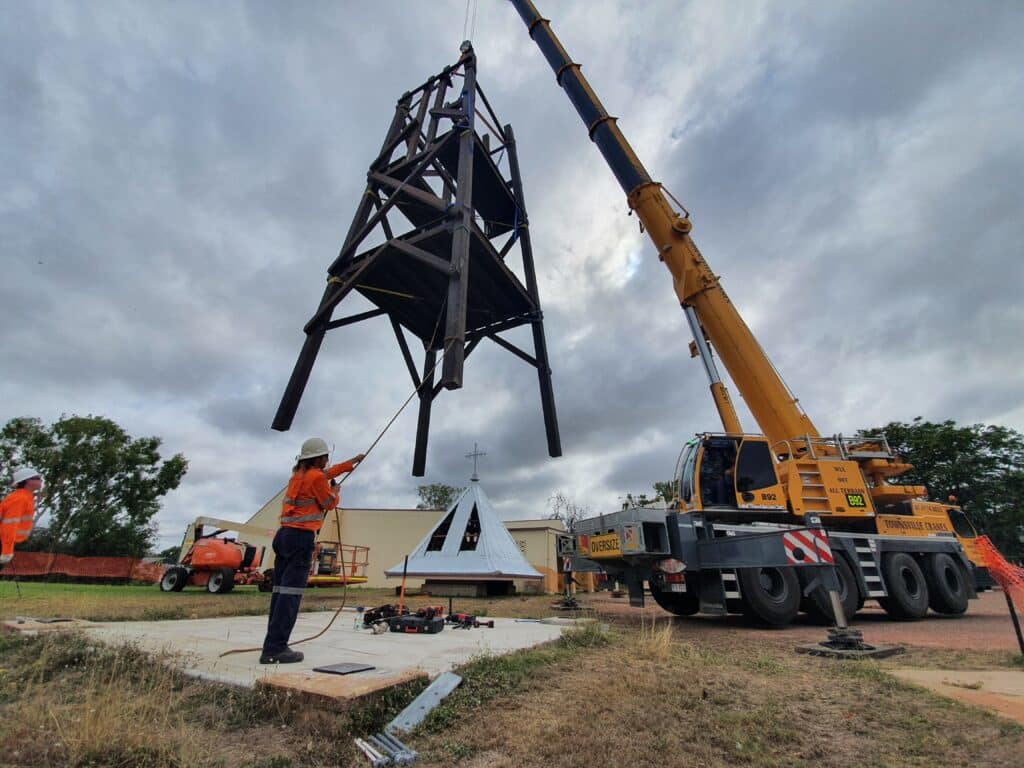
Fire towers, bell towers, and observation structures, plus headstocks and specialty timber elements, the tall, complex work many timber firms won’t take on.
Trusses, trestles & hardwood
Heavy timber trusses, timber trestles, and glulam-plus-hardwood combination builds, engineered timber and reclaimed hardwood where the project calls for it.
Design-build delivery
We take new builds from development and engineering through shop fabrication, load testing, and installation, a single accountable team from first sketch to final span.
Choosing your material
You're choosing a material for the next century, here's how timber compares
A new structure is a decades-long commitment. Before the first member is cut, here’s how timber measures up against steel and concrete on the things that decide a build, lifespan, weight, carbon, and cost.
Costs less
More cost-effective than a comparable steel or concrete structure, in materials, in the lighter foundations it allows, and in field time.
Outlasts the alternatives
Concrete manages 50–70 years. Built and maintained right, timber serves 100+, one build instead of two.
A fraction of the weight
Light enough to reuse existing piles and foundations where the original substructure is sound, impossible with the mass of steel or concrete.
Stores carbon
The only structural material that grows, carbon stored for the life of the structure, a fraction of the embodied emissions of steel or concrete.
Strength that holds up
Meets modern loads while resisting the corrosion that attacks steel and the cracking and spalling that age concrete, especially in coastal and embedded zones.
Timber
Steel
Concrete
Lifespan
100+ years, well maintained
Corrosion-limited in exposed zones
50–70 years
Weight
Lightest, reuses existing foundations
Heavy
Heaviest
Carbon
Stores carbon; lowest embodied emissions
High embodied emissions
High embodied emissions
Cost
Most cost-effective overall
Higher
Higher
How a build runs
Design. Engineer. Shop-build. Install
01
Design
We develop the structure with you, span, loading, geometry, and the architectural intent the timber needs to carry.
02
Engineer
Our engineers detail the glulam members, connections, and treatment to hit your loading standard and a documented design life.
03
Shop-build
The whole structure is fabricated and assembled in our climate-controlled facility, then load-tested before a single piece ships.
04
Install
Pre-proven components go up fast and predictably on site, fewer surprises, a shorter schedule, and a structure ready to stand for generations.
Global reach
The know-how travels
We design and build new mass timber structures wherever your project stands, with reach across 55 countries and six continents, engineered to the loading standards your jurisdiction works to.
Every structure is fabricated and load-tested before it ships, so your location doesn’t limit us. It changes the freight.
Mass timber goes up faster, stores carbon instead of emitting it, and, built and maintained to our standard, outlasts both. You also get a warm, exposed structure that performs as well as it looks, with a documented 100+ year design life.
We engineer every new build to a documented 100+ year design life, not a marketing claim, but a specification your asset managers can plan against. Properly built and maintained timber routinely outlasts the concrete and steel it’s compared to.
Both. We take new builds from development and engineering through shop fabrication, load testing, and installation, one accountable team from first sketch to final span.
The entire structure is assembled and load-tested in our climate-controlled facility before it ships. On-site erection is faster and more predictable because every connection has already been proven once.
Yes. We design and build glulam vehicular bridges to modern loading standards, reinforced where needed with our aramid and Retroshear® systems, and documented to the codes your reviewers work to.
We use cookies to improve your experience on this website. You may choose which types of cookies to allow and change your preferences at any time. Disabling cookies may impact your experience on this website. You can learn more by viewing our Cookie Policy.